
Pet Travel Health
Medical Documents and Suggestions
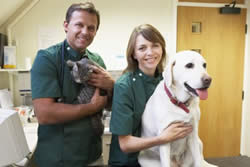
The first step on every trip with your pet is a visit to their veterinarian for a check up.
CERTIFICATE OF GOOD HEALTH - This document which is also called a veterinary certificate or a zoo sanitary certificate is a must whether you are traveling between cities or between countries. When you have attached the pet's inoculation record you meet the requirements for most airlines as well as immigration officer. If you are traveling from the United States some countries you may visit will require that the form then be certified by the USDA. Some countries further require that the form be "legalized" by that country's consulate.
EUROPEAN UNION COUNTRIES This document may also be called a veterinary certificate, export certificate, or a zoo sanitary certificate. It is a requirement when you are traveling between cities or between countries. When you have attached the pet's inoculation record and any other documents required such as an import permit, you then meet the requirements for most airlines as well as the immigration requirements for that country. These documents create what is called a PET PASSPORT. If you are traveling from the United States some countries you may visit will require that the form then be certified by the USDA. Some countries further require that the form be "legalized" by that countries consulate.
European Union countries require that you use that countries specific bi-lingual certificate sometimes referred to as the EU form 998. Other countries ask for specific information relating to the health of the pet so each countries health certificate are slightly different.
TRAVEL TO RABIES FREE COUNTRIES - A number of countries are free of rabies such as the UK, Hawaii, Australia, New Zealand and many more. These countries require that your pet have a blood titre test in order to avoid or to shorten the quarantine period.
RETURN TO THE COUNTRY OF ORIGIN - When returning to the country from which you started your trip additional documents may be required especially if you visited a country with a high incidence of rabies. As an example: pets returning to the United States from certain countries must be examined for a the disease screwworm.
FLEAS, TICKS AND MOSQUITOS - Pets who are traveling sometimes wind up in wooded areas which contain ticks or in areas that are infected with fleas. Your Veterinarian can prescribe medication to control fleas and ticks. Your pet should also be protected against heartworm a mosquito borne disease.
TRANQUILIZERS - The American Veterinary Medical Association does NOT recommend tranquilizing pets traveling in an airplane due to side effects primarily relating to breathing problems. We recommend a natural non-prescription product that will soothe the pet but not put the pet to sleep. An all-natural pet calmer product is a good choice. As always your veterinarian is your best source of advice.
The forms and instructions for taking your pet to nearly every country in the world are available at www.pettravelstore.com.
In the Pet Passport section of the Pet Travel Store you will also find information on service dogs, airline certificates and more.
POST TRIP - A health examination following your trip should be considered to determine if any internal parasites (roundworms, hookworms, heartworms) or external parasites (ticks, fleas) were picked up in contaminated exercise or wooded areas.
